Brayden M. Kirkland
CSCI 496: Senior Portfolio
In partial fulfillment of the requirements for the degree of Bachelor of Arts in Applied Computing (class of 2026)
View My Resume
Defense Documentation
1. Statement of Purpose
People should act more rationally and think more logically when looking at problems that can be solved within reason, and this can be taught through the unassuming medium of a video game. Nearly every day, I see the consequences of people, who should know better, making illogical and irrational decisions.
I want to make people see the world in a different light; to be more open and reasonable, to think logically, and I also want to entertain. Through this mode of thinking, the world would be a kinder place, full of empathy, compassion, and understanding, and this is the ideal state of affairs.
My solution to this problem is the development of a video game. My intention with this solution is to mold the minds of those who experience it to solve the problem discussed above, and to have fun learning.
2. Research and Background
A great deal of personal research has gone into the development of this video game, as I have had no prior knowledge on game-making until beginning its development last year, and one class in high school. I have yet to learn the most intricate techniques more seasoned developers have utilized in the engine I have been building with, Unreal Engine 5, but the base knowledge on the program I have gathered thus far is indispensable. I have watched hours of tutorials and beginner’s guides to learn how best to use this program and to create even further beyond what I am developing now for this project.
3. Project Language(s), Software, and Hardware
The development engine I am using for my project is Unreal Engine 5 (UE5), the fifth installment of a video game development system by Epic Games. It utilizes a block-coding methodology for the majority of the work done within it, but behind the scenes - and also directly manipulatable - it runs on C++. In addition to the standard libraries, packages, and assets found within the base UE5 studio, I have gathered many assets used in my project from the Fab database, an often-used plugin for UE5, all of which are licensing free. Lastly, I am using GitHub for version control, since UE5 has a partnership program alongside GitHub, with a built-in plugin available for download. As for hardware, most modern computing systems can at least moderately handle the development studio itself, as I am using my personal computer to develop the project, but there is no particular hardware required to run the game other than a mouse, keyboard, and visual monitor on a computer device.
4. Project Requirements
Requirement #: 1
Requirement Type: Functional
Event/BUC/PUC #: Running game
Description: The player shall be able to move their avatar within the game world.
Rationale: The player should be able to manipulate the location of the character in order to play the game
Originator: Developer
Fit Criterion: Testable by determining if player avatar is capable of movement upon game start
Priority: Primary
Dependencies: Functional game
Conflicts: None
Supporting Materials:
History: Development log
Requirement #: 2
Requirement Type: Functional
Event/BUC/PUC #: Running game
Description: The player shall be able to change their avatar's visual perspective, or camera
Rationale: The player should be able to manipulate where their character looks in order to interact with the game world
Originator: Developer
Fit Criterion: Testable by determining if player persepctive is capable of maneuvering upon game start
Priority: Primary
Dependencies: Functional game
Conflicts: None
Supporting Materials:
History: Development log
Requirement #: 3
Requirement Type: Functional
Event/BUC/PUC #: Running game
Description: The player shall be able to interact with the virtual environment presented by the game
Rationale: The player should be able to interact with their character's surroudnings in order to progress through the game
Originator: Developer
Fit Criterion: Testable by determining if player is able to interact with interactable objects in the game world upon game start
Priority: Primary
Dependencies: Functional game
Conflicts: None
Supporting Materials:
History: Development log
Requirement #: 4
Requirement Type: Functional
Event/BUC/PUC #: Running game
Description: The player shall be able to inspect and interact with their character's inventory, or collected items, in the game world
Rationale: The player should be able to interact with their inventory in order to select items to be used to progress through the game
Originator: Developer
Fit Criterion: Testable by determining if player is able to inspect and interact with their character's inventory upon game start
Priority: Primary
Dependencies: Functional game
Conflicts: None
Supporting Materials:
History: Development log
Requirement #: 5
Requirement Type: Functional
Event/BUC/PUC #: Running game
Description: The player shall be able to pause the active game world to stop it from running in real time
Rationale: The player should be able to pause the game in order to adjust game settings, or to take a break when wanted
Originator: Developer
Fit Criterion: Testable by determining if player is able to pause the game environment upon game start
Priority: Primary
Dependencies: Functional game
Conflicts: None
Supporting Materials:
History: Development log
Requirement #: 6
Requirement Type: Functional
Event/BUC/PUC #: None
Description: The player must use a machine capable of installing, launching, and running the game to play or test the product
Rationale: In order to play the Puzzle Heart game, a user should first have a machine that is able to run the program to play it.
Originator: Developer
Fit Criterion: Testable by determining if a user's machine is fit to install and run the Puzzle Heart game
Priority: Foundational
Dependencies: Budget for a machine
Conflicts: Without a machine capable of running the game, then all further use cases for the product would be impossible to achieve
Supporting Materials:
History: N/A
Requirement #: 7
Requirement Type: Functional
Event/BUC/PUC #: Having a machine capable of downloading the Puzzle Heart game
Description: The player shall be able to download the files required to play the game upon acquisition or playtesting session
Rationale: The player must first install the game before being able to play it
Originator: Developer
Fit Criterion: Testable by determining if a user's copy of the game is able to be launched upon successful download
Priority: Foundational
Dependencies: Having a machine
Conflicts: Without a machine capable of downloading the game, a user cannot play the game on their machine, and there all further use cases for the product would be impossible to achieve
Supporting Materials:
History: N/A
Requirement #: 8
Requirement Type: Functional
Event/BUC/PUC #: Having a downloaded copy of the Puzzle Heart game
Description: The player shall be able to launch the Puzzle Heart game after downloading the files required to do so
Rationale: In order to run and play the game, it must first be successfully launched by using the downloaded files necessary
Originator: Developer
Fit Criterion: Testable by determining if the game can be ran after launching
Priority: Foundational
Dependencies: Having downloaded the game
Conflicts: If the game cannot be launched to begin play, then the game cannot be played, and so all further use cases for the product would be impossible to achieve
Supporting Materials:
History: N/A
Requirement #: 9
Requirement Type: Functional
Event/BUC/PUC #: Launching the game
Description: The player shall be able to start playing the game after a successful launch of the product
Rationale: To play the Puzzle Heart game, a user must first start its running sequence
Originator: Developer
Fit Criterion: Testable by determining if the game can be played after starting
Priority: Foundational
Dependencies: Having launched the game
Conflicts: If the game cannot be started, then the game cannot be played, and so all further use cases for the product would be impossible to achieve
Supporting Materials:
History: N/A
Requirement #: 10
Requirement Type: Functional
Event/BUC/PUC #: Starting the game
Description: The player shall be able to stop and exit the game at any point after starting it, or upon completing the game
Rationale: When a user wishes to exit the game, they should be freely able to do so at any point they wish
Originator: Developer
Fit Criterion: Testable by determining if the game can be stopped and exited after starting
Priority: Foundational
Dependencies: Having started the game
Conflicts: None
Supporting Materials:
History: N/A
Requirement #: 11
Requirement Type: Functional
Event/BUC/PUC #: Playing the game
Description: A test user shall be timed for the duration of their playtime with Puzzle Heart
Rationale: An average time of completion is sought for testing purposes, so all test user play instances should be recorded
Originator: Developer
Fit Criterion: Testable by utilizing a time-recording program or simple stopwatch for a test user's playtime duration
Priority: Fundamental for testing
Dependencies: Playing the game
Conflicts: None
Supporting Materials:
History: Logged time to completion for each test user's test run
Requirement #: 12
Requirement Type: Functional
Event/BUC/PUC #: Completing the game
Description: A test user shall be surveyed on their experience of their playtime with Puzzle Heart
Rationale: Feedback is required to improve the game, and so test user's should be asked about their experience, and their responses recorded
Originator: Developer
Fit Criterion: Testable by utilizing a written or digital form sheet and submission system to gather test user feedback
Priority: Fundamental for testing
Dependencies: Test user finishing a playtest session
Conflicts: None
Supporting Materials:
History: Feedback logged
Requirement #: 13
Requirement Type: Non-Functional
Event/BUC/PUC #: Settings menu established
Description: Players shall be able to adjust the volume level of in-game sounds and music
Rationale: Players should be able to adjust the volume of the game to best suit their desired level
Originator: Developer
Fit Criterion: Testable by determining that players can access the option to adjust volume, and ensure that the adjustment works as intended
Priority: Secondary
Dependencies: None
Conflicts: None
Supporting Materials:
History: Development logs
Requirement #: 14
Requirement Type: Non-Functional
Event/BUC/PUC #: Settings menu opened
Description: Players shall be able to adjust the brightness of the game's visuals
Rationale: Players should be able to adjust the brightness of the game to best suit their desired level
Originator: Developer
Fit Criterion: Testable by determining that players can access the option to adjust brightness, and ensure that the adjustment works as intended
Priority: Secondary
Dependencies: None
Conflicts: None
Supporting Materials:
History: Development Logs
Requirement #: 15
Requirement Type: Non-Functional
Event/BUC/PUC #: Game is running
Description: Players shall be able to experience the narrative of the game through its visual effects on screen
Rationale: Players should be able to experience the story of Puzzle Heart purely through the game's visuals without audio being necessary
Originator: Developer
Fit Criterion: Testable by determining if narrative is effectively conveyed through the visual effects within the game
Priority: Primary
Dependencies: None
Conflicts: None
Supporting Materials:
History: Development Logs
Requirement #: 16
Requirement Type: Functional
Event/BUC/PUC #: Game loading
Description: The game world will be procedurally generated on startup, making every experience different in some capacity
Rationale: The reason for this is to make every experience a unique one when playing Puzzle Heart
Originator: Developer
Fit Criterion: Testable by determining if game world is different in some way on every startup
Priority: Primary
Dependencies: Functional game
Conflicts: None
Supporting Materials:
History: Development Logs
Requirement #: 17
Requirement Type: Functional
Event/BUC/PUC #: Game loading
Description: Puzzles in the game world shall always be solvable
Rationale: Players should not get stuck on a puzzle that is impossible
Originator: Developer
Fit Criterion:
Priority: Primary
Dependencies: Correctly completed procedural generation
Conflicts: None
Supporting Materials:
History: Development Logs
Requirement #: 18
Requirement Type: Non-Functional
Event/BUC/PUC #: Game development period
Description: The game will be host to a myriad of different kinds of popular puzzle formats
Rationale: Players should experience a variety of puzzle types rather than solving only one kind of puzzle for the entire game
Originator: Developer
Fit Criterion:
Priority: Primary
Dependencies: None
Conflicts: None
Supporting Materials:
History: Development Logs
Requirement #: 19
Requirement Type: Non-Functional
Event/BUC/PUC #: Game development period
Description: An example of one type of puzzle to be found in the game world are matching puzzles
Rationale: Matching puzzles will challenge a player's visual perception and memory
Originator: Developer
Fit Criterion:
Priority: Primary
Dependencies: None
Conflicts: None
Supporting Materials:
History: Development Logs
Requirement #: 20
Requirement Type: Non-Functional
Event/BUC/PUC #: Game development period
Description: An example of one type of puzzle to be found in the game world are connecting point puzzles
Rationale: Matching puzzles will challenge a player's problem solving skills
Originator: Developer
Fit Criterion:
Priority: Primary
Dependencies: None
Conflicts: None
Supporting Materials:
History: Development Logs
Requirement #: 21
Requirement Type: Non-Functional
Event/BUC/PUC #: Game development period
Description: Players shall be able to find and copy the world seed number that represents the procedurally generated game world of their experience
Rationale: Players will be able to use this world seed as a key to replay past game worlds
Originator: Developer
Fit Criterion:
Priority: Primary
Dependencies: None
Conflicts: None
Supporting Materials:
History: Development Logs
5. Project Implementation, Description, and Explanation
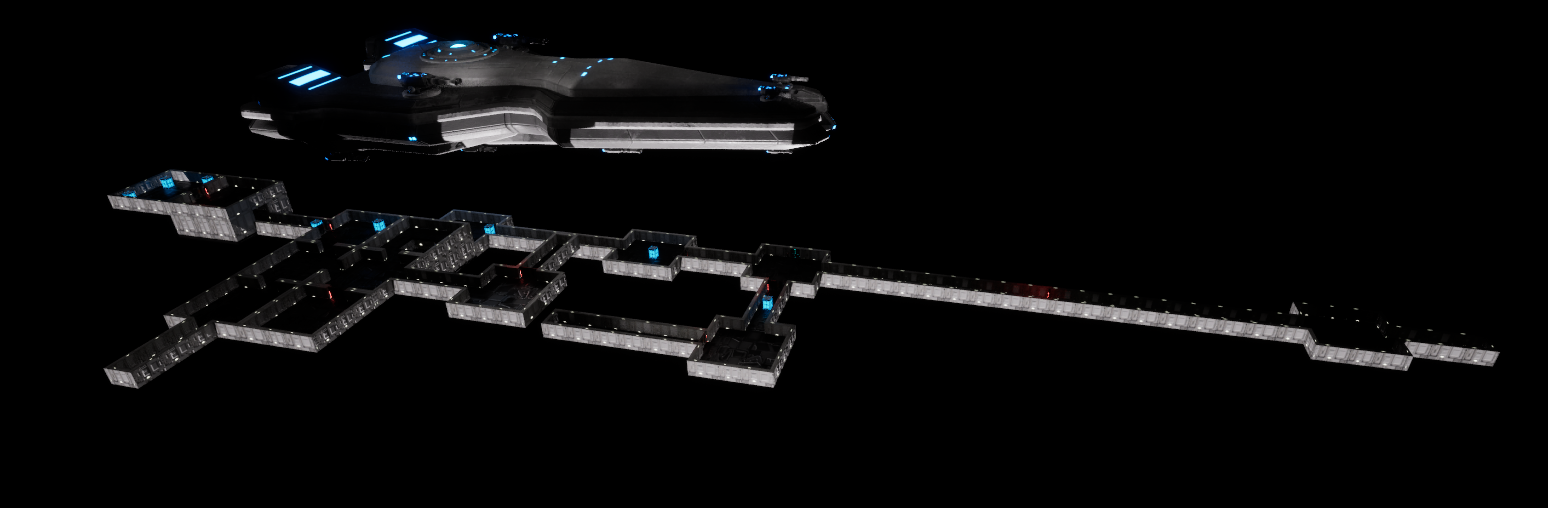
Fig 1. An example of different map generation possibilities
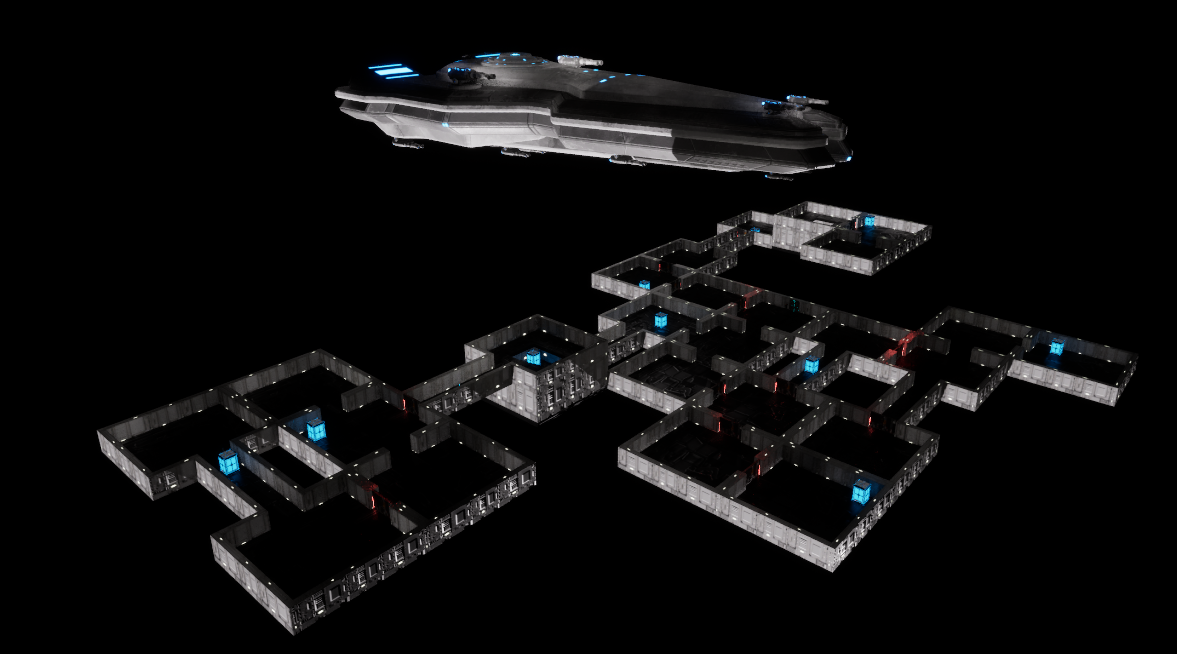
Fig 2. An example of different map generation possibilities
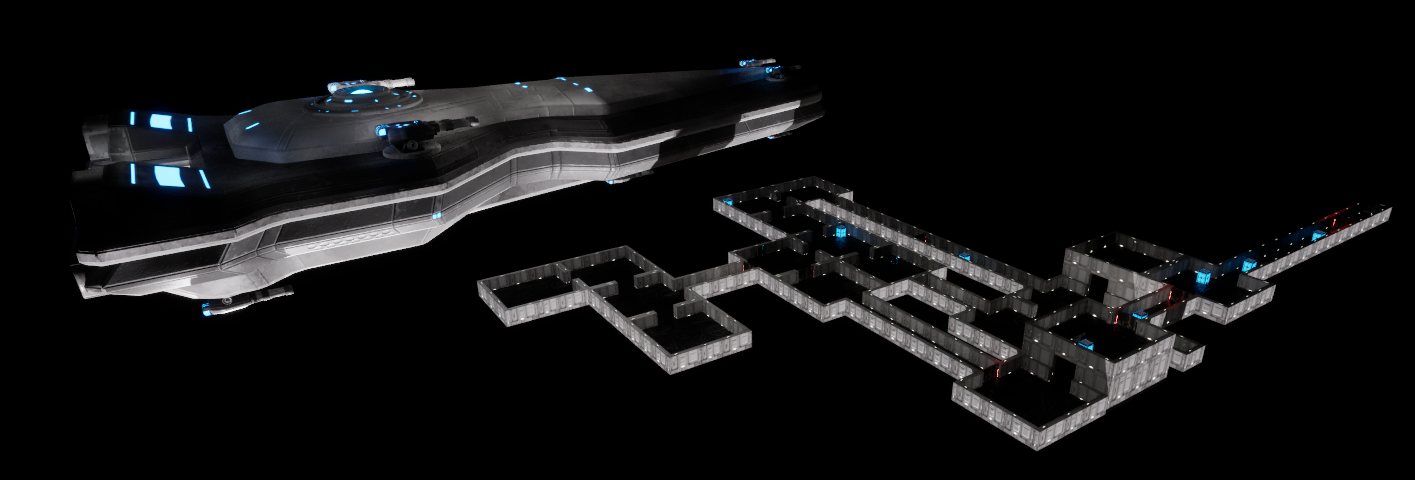
Fig 3. An example of different map generation possibilities
Product
- Product Name: Puzzle Heart Video Game
Project Description
Puzzle Heart is a video game that revolves around solving puzzles in a procedurally generated, digital world. Its purpose is for entertainment and to challenge the user's problem-solving abilities.
6. Test Plan
The purpose of the Puzzle Heart video game study is to evaluate the problem-solving skills required to complete the game, with every playthrough being timed. Test users will be instructed to complete the game to the best of their ability and as fast as they can. Test operators will also be given a short survey to complete after their experience for feedback purposes. For the test results included below, testers tasked with completing two playthroughs of the game, both timed. The second playthrough is to be done using the same seed as the first in order to generate the same game map, and then the times of completion of both of these playthroughs are compared, and user feedback is given.
Features to be Tested
The running state of the Puzzle Heart video game is the main feature to be tested. Within this facet of the project there are many other subfeatures to be tested, such as ensuring that the procedural generation of the world does not hinder the flow of gameplay, and to ensure that every puzzle is sovlable.
Features Not to Be Tested
The engine of the game's creation does not need to be tested in this test plan.
Unit Test Strategy / Extent of Unit Testing:
Evaluate new features and bug fixes introduced in this release. (Specify the properties of test environment: hardware, software, network etc.)
Unit Test Cases
| # | OBJECTIVE | INPUT | EXPECTED RESULTS | TEST DELIVERABLES |
|---|---|---|---|---|
| 1 | Check procedural generation | Procedural Generation code | Generated game world functions and map randomization | Playable game world |
| 2 | Check puzzle solvability | Puzzle coding + procedural generation | Generated puzzles can be solved | Game can be completed |
| 3 | Check player movement | W, A, S, and D keys press | Player avatar moves in desired direction | Player can move in desired direction |
| 4 | Check world interaction | E key press | Player interacts with object | Player can interact |
| 5 | Check camera movement | Mouse movement | Camera moves with mouse motion | Player can look around |
| 6 | Game can be run | Developer feature | Game runs without issue | Game runs |
| 7 | Game can be edited | Developer feature | Game can be edited without issue | Game can be edited |
User-Acceptance Test
In order to test for User-acceptance, users designated to test the Puzzle Heart video game will be asked to complete the game at their own pace, and will be timed from the start of their gameplay to their completion of the game. This will be used to determine an average time of completion on the game itself, and users will then be surveyed on their experience of the game. This process will be repeated using the same seed recreate the game world originally played on, and the time-to-completion for both runs will be compared
User-Acceptance Test Strategy
The user will be informed of their goal to complete within the game, and then start the game. The game will always be able to be completed, and the only variables are the terrain that has been procedurally generated, the puzzle minigames, and the seed of the world. A timer that will record how long it takes for the user to complete the objective will be displayed at all times during gameplay
User-Acceptance Test Cases
| # | TEST ITEM | EXPECTED RESULTS | ACTUAL RESULTS | DATE |
|---|---|---|---|---|
| 1 | User can finish game | Game should be able to be completed | Possible | 10/30/25 |
| 2 | Time taken for user to finish first game playthrough | Variable by tester, around 2–4 minutes | Results vary. Around 3–4 minutes | 11/20–23/25 |
| 3 | Time taken for user to finish second game playthrough | Variable by tester, around 2–3 minutes, but shorter than tester’s first playthrough time | Results vary. Around 2–3 minutes. Vast majority made shorter times on second playthrough | 11/20–23/25 |
| 4 | User provides feedback on experience | Variable by tester, expecting positive and constructive feedback | Testers gave ideas that were implemented into the final product in order to elevate the experience | 11/23/25 |
Test Deliverables
-
Test Plan
-
Test Scripts are to be determined
-
Defect/Enhancement Logs are to be determined
-
Test Result Reports are to be determined
Schedule
Bulk testing to be undertaken between 11/20-23/25
Risks
-
Machine used to run the game for the intentions to complete the objectives of this test plan may be unfit in terms of hardware requirements for gameplay.
-
In order to mitigate this risk, the game should be optimized to run on lower-hardware machines and the machine especially chosen to run the test cases should be fit if possible
Appendix
See Requirements Document for specifics on the development process and the goals of this project.
7. Test Results
Test Results are displayed by Subject, with data from cases 1-3 directly referencing rows 2-4 in above User-Acceptance Test Cases.
| SUBJECT | FIRST PLAYTHROUGH TIME | SECOND PLAYTHROUGH TIME |
|---|---|---|
| A | 3:21 | 2:40 |
| B | 5:43 | 3:49 |
| C | 4:10 | 3:30 |
| D | 3:57 | 3:10 |
| E | 3:40 | 2:44 |
8. Challenges Overcome
I experienced some great obstacles in developing this video game, especially due to my lack of experience using the engine and in ways of how I wanted to design certain aspects of the project. I found that there were many design implementations I wished to include in the final product, but constraints such as time and lack of technical knowledge of the system greatly inhibited my progress along the way.
9. Future Enhancements
In the future, I would like to expand on this project and even create more projects within the Unreal Engine 5 system because video games are my passion. I would love to learn more about the intricacies and finer tunings of the software so that I can fully implement my original design ideas to enhance the experience and realize my visions.
10. Defense Presentation Slides
Puzzleheart - Project Presentation - Brayden Kirkland.pptx - Google Slides